
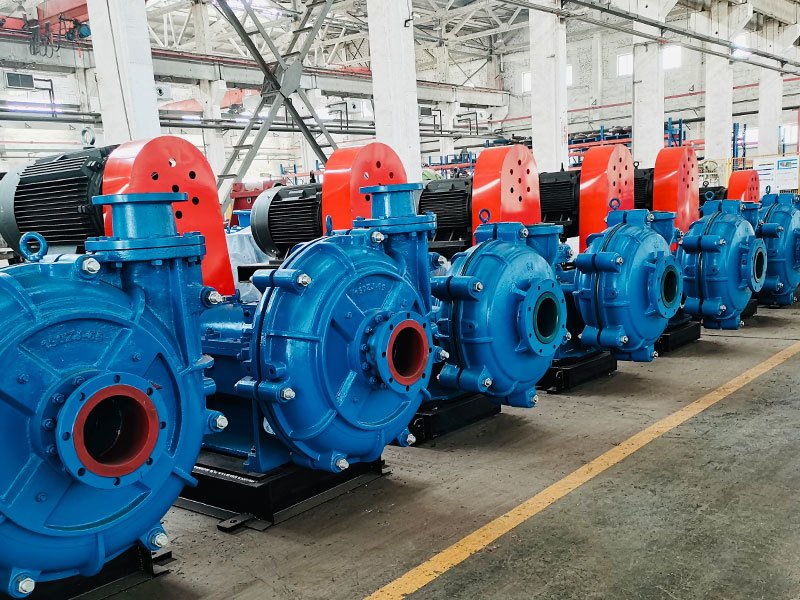
When it comes to slurry transportation, familiarity with pumps and their components is commonplace. However, understanding each component of slurry transportation is also important. So, how much do you know about “What is the difference between a slurry pump and a water pump?” and “What types of slurry pumps are there?”
Slurry Pumps vs. Water Pumps
Unlike other fluid types, slurries are characterized by the presence of solids—gravel, copper, or sand—within the liquid. While in many cases this liquid is water, slurries may contain solvents such as acids, alcohols, or petroleum. These non-aqueous components, whether solids or solvents, make slurry pumps essential.
Types of Slurry Pumps
Compared to the narrow and often inexpensive components of water pumps, large, replaceable slurry pump components are made of robust, durable, and often specialized materials. These components allow the pump to efficiently and safely transport almost any type of solid in the slurry. On the other hand, water pumps lack the hydraulic capacity to transport solid particles and cannot withstand the particle abrasion and chemical corrosion that slurries can cause.